


Farsi Heritage Immersion Classroom
Building Cultural Identity Through Language, Learning & Connection
Teachers:
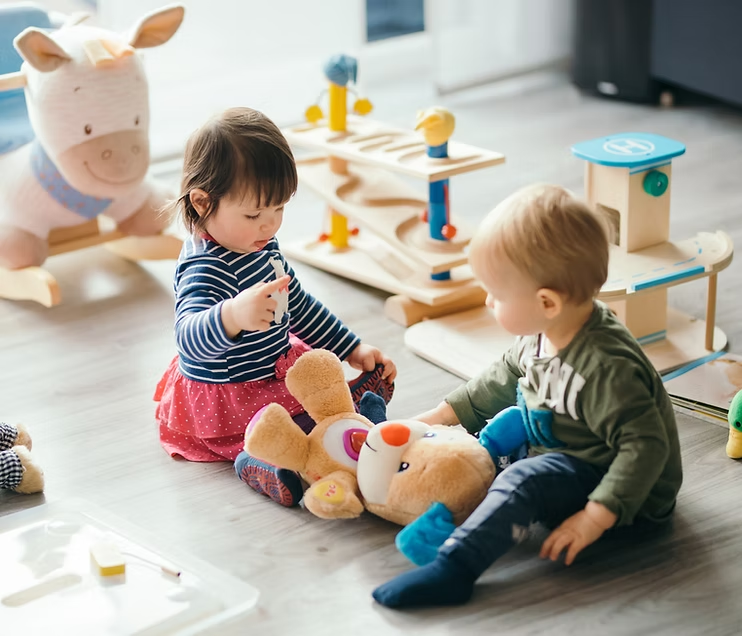
Led by native Farsi-speaking teachers who bring Persian language and culture to life every day.
Approach:
A play-based, full-immersion environment where children learn organically—discovering what it means to be global citizens by living the culture through stories, songs, and traditions.
Persian (Farsi–English) Preschool Curriculum:
Children learn Farsi and English simultaneously with native-speaking educators while being immersed in Persian culture through 9 cultural pillars:
 1. Language & Literacy
2. Geography
3. History
4. Traditional Music & Dance
5. Ethnicities & Cultural Clothing
6. Landmarks
7. Influential People
8. Traditional Dishes
9. Art
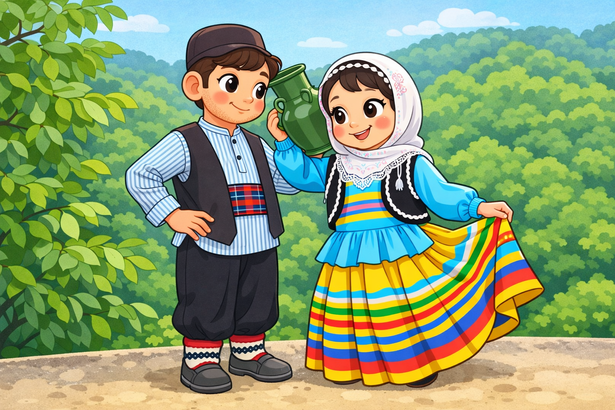
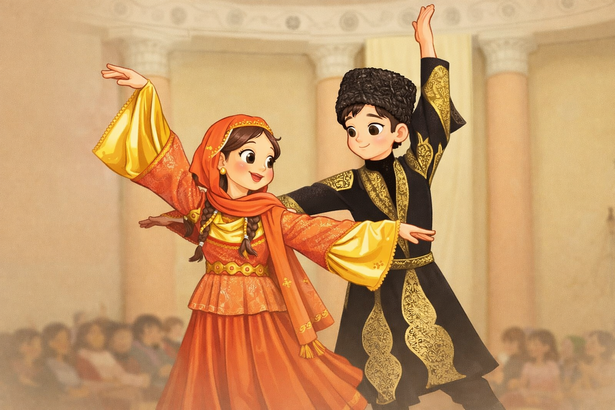


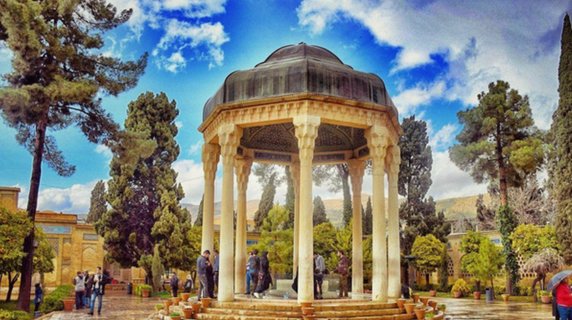




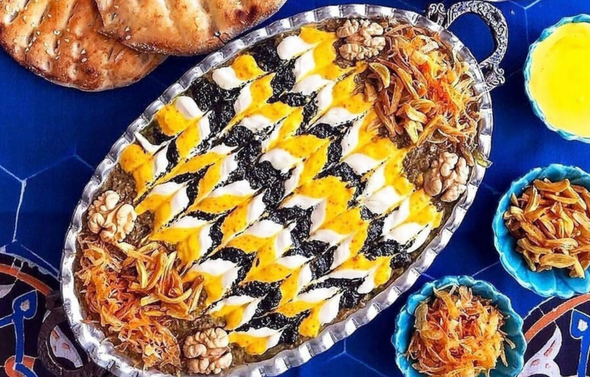
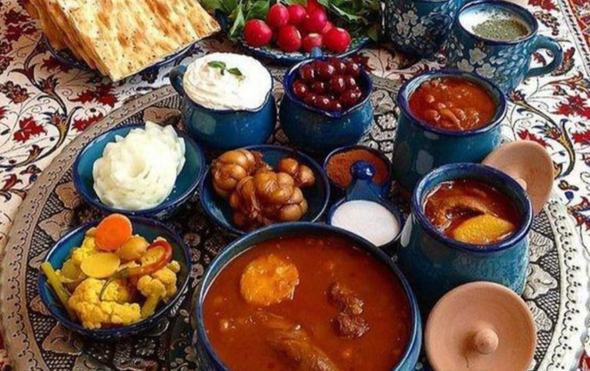
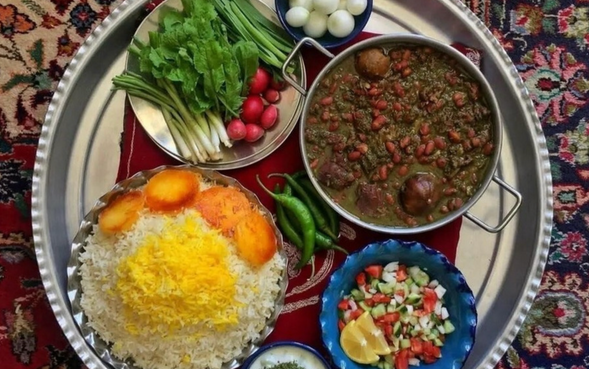
Nowruz (Persian New Year): Nowruz is an ancient spring festival marking the Persian New Year, celebrating rebirth and new beginnings on the vernal equinox (around March 21st) across Iran, Central Asia, the Middle East, and more, with key traditions including deep-cleaning homes, setting up a symbolic Haft-Seen table (seven items starting with ‘S’), jumping over bonfires on the last Tuesday (Chaharshanbe Suri), feasting on special foods like herbed rice with fish, wearing new clothes, and visiting family.
Sizdah Bedar, or “Nature’s Day,” is the vibrant, outdoor finale of the Persian New Year (Nowruz), celebrated on the 13th day of Farvardin (early April) by picnicking, playing games, and casting sprouted greens (Sabzeh) into flowing water to symbolically banish bad luck, inviting prosperity and renewal for the year ahead, with families spending the whole day outside in parks or the countryside.
Chaharshanbe Suri (Scarlet Wednesday) is a vibrant Iranian festival of fire and renewal, celebrated on the last Tuesday evening before the Persian New Year (Nowruz), where people jump over bonfires for purification, chant to exchange sickness for fire’s health, and engage in traditions like spoon-banging (Ghashogh Zani) for treats, symbolizing letting go of the old year’s negativity for a fresh start with spring.
Shab-e-Yalda (Yalda Night) is an ancient Iranian winter solstice celebration, observed on the longest night (Dec 20/21), symbolizing the victory of light over darkness, with families gathering to feast on fruits like pomegranates and watermelon, read Persian poetry (especially Hafez), tell stories, and enjoy sweets until after midnight, fostering hope and community.
Sepandarmazgan (or Esfandegan) is an ancient Persian festival celebrating women, love, friendship, and the Earth, honoring the Zoroastrian divine entity Spenta Armaiti, often called the “Persian Valentine’s Day”. Celebrated around late February/early March (often Feb 17-23 in modern times), it involves men gifting women, symbolizing earth’s fertility and love, with traditions including feasting, exchanging flowers/gifts, and recognizing women’s vital roles, serving as a cultural alternative to Western Valentine’s Day.
Mehregan is an ancient Persian festival celebrated in early autumn, honoring Mithra, the yazata (angelic being) of love, friendship, and light. It is also known as the “Festival of Autumn” and celebrates the harvest and abundance of the season. The celebration promotes themes of gratitude, love, and kindness, often featuring traditional music, dance, and cultural displays.
At Wee World, cooperation among the teaching staff means working together with mutual respect, open communication, and a shared commitment to every child’s growth and well-being. Our educators collaborate intentionally—planning together, sharing observations, supporting one another, and aligning their practices—to create a consistent, nurturing, and high-quality learning experience.
Beyond our own classrooms, we actively seek collaboration with educators, specialists, and professionals from other schools and disciplines to continually expand our knowledge, refine our teaching methods, and stay informed about best practices in early childhood education. Through ongoing professional exchange and shared learning, we strive not only to strengthen our program but also to contribute to a growing, informed, and connected educational community.
At Wee World, cooperation with DC preschool education institutions means building meaningful partnerships with fellow early childhood programs, educators, and professionals across the District of Columbia. We actively engage in collaboration, information-sharing, and professional exchange to stay aligned with local educational standards, best practices, and evolving research. Through these partnerships, we strengthen our programs, support continuous improvement, and contribute to a connected early childhood community that prioritizes quality education, shared learning, and the well-being of all children.
At Wee World, cooperation with companies and sponsors means forming thoughtful, values-aligned partnerships that support our educational mission and the well-being of children and families. We collaborate with organizations that share our commitment to learning, cultural enrichment, and community impact, working together to create meaningful opportunities, resources, and programs. Through responsible partnerships, we aim to enhance educational experiences, support family engagement, and contribute positively to the broader community while maintaining the highest standards of integrity, transparency, and child-centered practice.
At Wee World, home–school cooperation is built on open communication, trust, and meaningful partnership with families. We provide real-time updates through the Procare app, keeping parents informed about their child’s day, activities, and well-being as they happen. In addition, families receive daily educational reports and videos of lesson plans, offering insight into classroom experiences, learning progress, and developmental milestones. By maintaining consistent and transparent communication, we ensure that families remain actively connected to their child’s learning journey and that home and school work together to support each child’s growth and success.
At Wee World, community cooperation means actively engaging with families, local organizations, educators, and community partners to create a supportive and connected environment for children. We believe that learning extends beyond the classroom, and we work collaboratively with our community to share knowledge, celebrate cultural diversity, and promote collective growth. Through partnerships, events, and shared initiatives, we strengthen relationships, support families, and contribute to a thriving community that values education, inclusion, and lifelong learning.
At Wee World, media cooperation means working thoughtfully with media outlets, digital platforms, and content creators to share our educational philosophy, programs, and community initiatives with a wider audience. We value responsible, transparent communication and use media partnerships to highlight learning, cultural engagement, and positive stories about early childhood education. Through ethical and intentional media collaboration, we aim to inform, inspire, and strengthen connections between families, educators, and the broader community while always prioritizing children’s privacy, dignity, and well-being.
Lorem Ipsum is simply dummy text of the printing and typesetting industry. Lorem Ipsum has been the industry’s standard dummy text ever since the 1500s, when an unknown printer took a galley of type and scrambled it to make a type specimen book.
Lorem Ipsum is simply dummy text of the printing and typesetting industry. Lorem Ipsum has been the industry’s standard dummy text ever since the 1500s, when an unknown printer took a galley of type and scrambled it to make a type specimen book.
We are proud to officially launch our Persian Classroom at Wee World 🌏✨
Starting March 9th, children will begin their journey of learning Chinese language and culture through play, exploration, and meaningful experiences — nurturing curiosity, confidence, and global awareness.
Posted onTrustindex verifies that the original source of the review is Google. My daughter loves her preschool! She’s always happy to go, and she is treated with so much love and kindness. Her teacher is amazing — very patient, caring, and professional. I feel so thankful to see my little one learning and growing in such a loving place.Posted onTrustindex verifies that the original source of the review is Google. My son has attended Wee World for a few months now and I only have great things to say !!! The staff is amazing! They are very highly recommend.Posted onTrustindex verifies that the original source of the review is Google. This preschool has been a wonderful experience for our family. The space is beautifully designed, clean, and welcoming, which makes such a difference for the children. The management is not only professional but also genuinely kind and attentive, always quick to respond and supportive. I also love the variety of daily activities that keep my daughter engaged, happy, and learning in creative ways. We feel truly lucky to have found such a special place.”Posted onTrustindex verifies that the original source of the review is Google. Wee world is a great daycare since starting i have seen a significant growth in my son social skills, learning etc. Thanks to Ms.Veronica and the team this has been a great experiencePosted onTrustindex verifies that the original source of the review is Google. Wee World is an amazing daycare! The teachers are absolutely lovely—caring, attentive, and truly invested in the kids. Most importantly, our child loves it there, and we’ve seen wonderful development since joining. The daycare is new, beautiful, and thoughtfully designed, which makes it such a welcoming environment. We couldn’t be happier and would recommend Wee World to anyone looking for a daycare.Posted onTrustindex verifies that the original source of the review is Google. What a lovely place. The space is clean, modern, beautiful and engaging for a wide age range. I’ve been sending my kids (5 and 8) to Parents Night Out since the program started and they love it. Healthy food and warm care. Highly recommend!Posted onTrustindex verifies that the original source of the review is Google. Our 4year old daughter has been to the Wee World Parent Night Out program, happening every Saturday from 5 PM to 10 PM, a couple of times and always has a great time! She’s enjoyed a magic show, face painting, and storytelling, all in a safe and welcoming environment with positive, caring staff and a beautiful interior. We love knowing she’s having fun while we get some quality time to ourselves.Posted onTrustindex verifies that the original source of the review is Google. We had a wonderful experience with Wee World during their Parent Night Out. The space is spacious, clean, and so thoughtfully designed for children—bright, calming, and inviting. The staff were incredibly kind and attentive, making our daughter feel right at home from the moment we walked in. She had a blast with crafts, playtime, and dinner—and didn’t want to leave! Highly recommend to any family looking for a safe, warm, and fun environment for their child. ❤️Posted onTrustindex verifies that the original source of the review is Google. The Wee World family was like a second home for our family. They began caring for our daughter when she was just 5 months old, and from day one, we felt the warmth, love, and genuine care that radiates from this incredible family-run program. Although our older son didn't attend, he was always welcomed with open arms at every event—and often asked when he could go back! This new Wee World space is one of the most thoughtfully designed childcares I have seen (and I toured many daycares) – with fun and engaging places to explore. I can’t say enough good things about the love and support we've experienced from these caregivers—I recommend to every mom in the area!Posted onTrustindex verifies that the original source of the review is Google. The Weeworld family cared for both of our babies from 3 months to 3 + years and became like family to us. Not only did they care for the babies and provide the most loving environment but they also helped us with all the milestones- from sleep schedules, feeding schedules, starting solids- all of the things! We also had the unique experience of going through early COVID together. While this was an unwelcome challenge, the team bent over backwards to be able to continue providing care so we could work and also prioritized keeping everyone healthy. I’m eternally grateful and could not recommend them enough!