


🇨🇳 Chinese Heritage Immersion Classroom
Building Cultural Identity Through Language, Learning & Connection
Teachers:
Led by native Chinese-speaking teachers who bring the beauty and tradition of Mandarin language and culture to life every day.
Approach:
A play-based, full-immersion environment where children learn Mandarin naturally through stories, music, and cultural experiences—growing as confident global learners.
 Mandarin–English Cultural Curriculum:
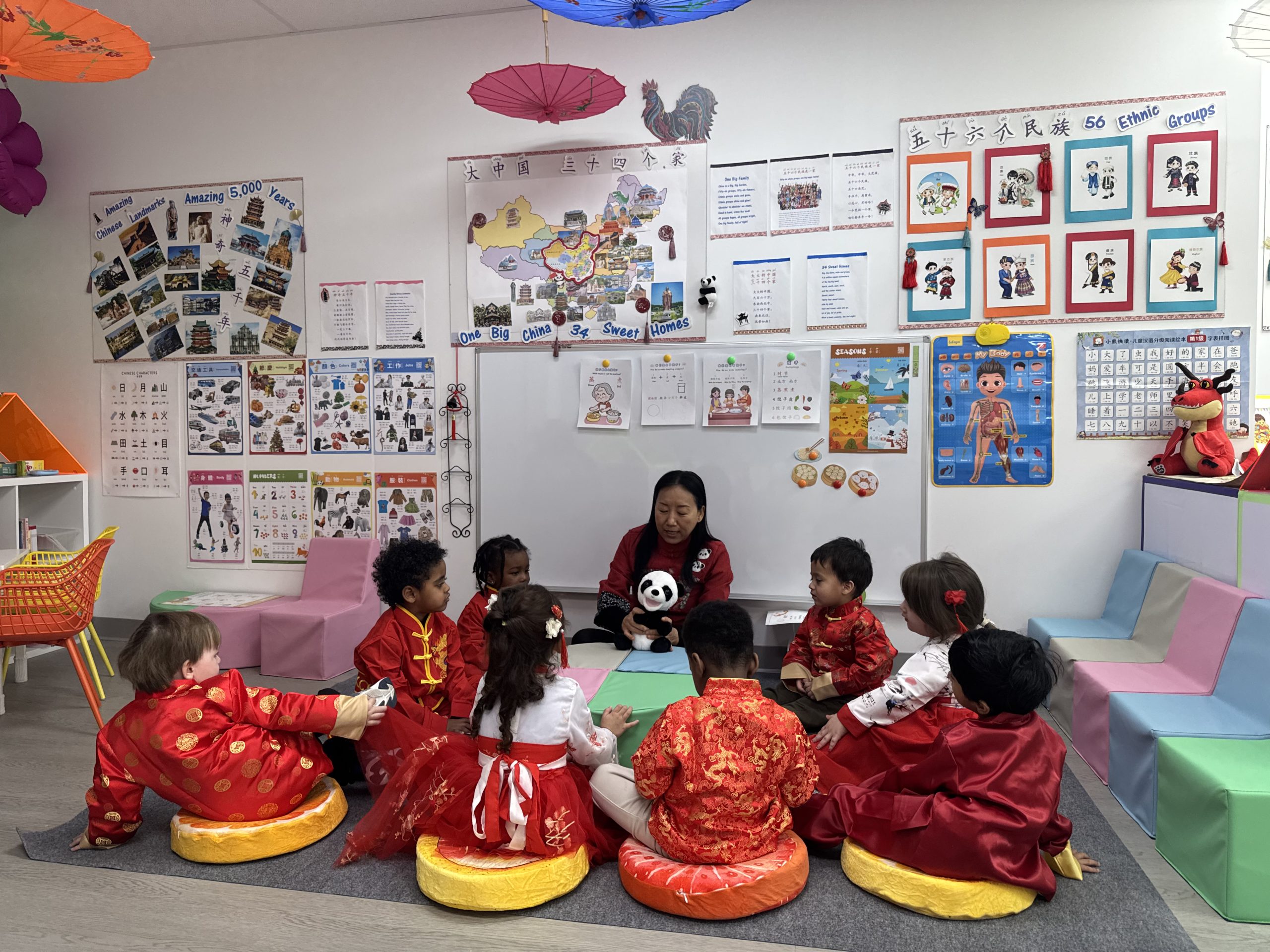
Children are immersed in Mandarin and English with native-speaking teachers while exploring Chinese culture through the 9 cultural pillars:
 1. Language & Literacy
2. Geography
3. History
4. Traditional Music & Dance
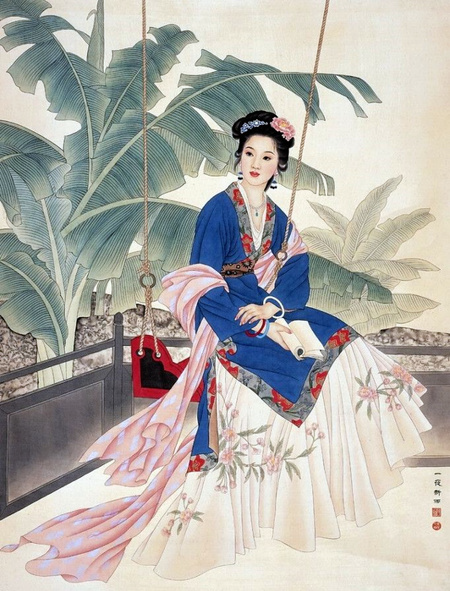
5. Ethnicities & Cultural Clothing
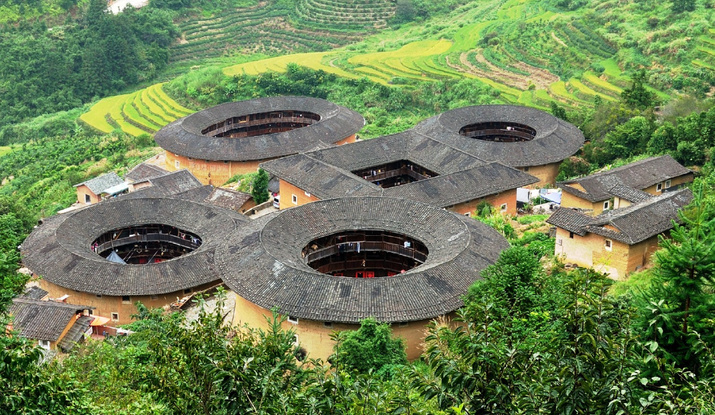
6. Landmarks
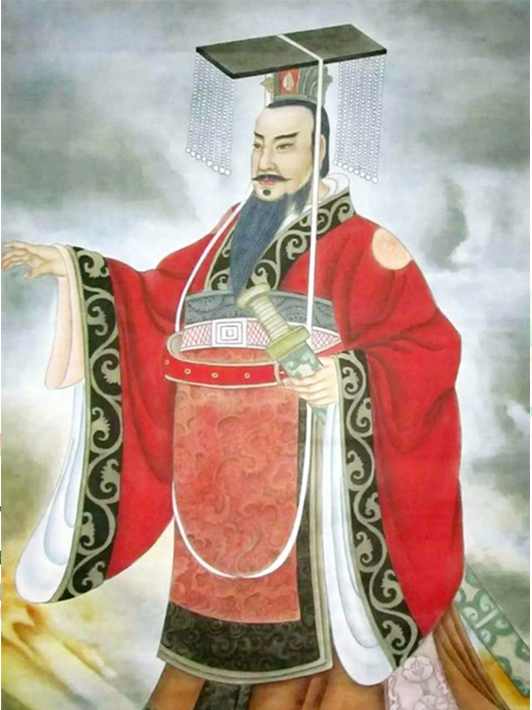
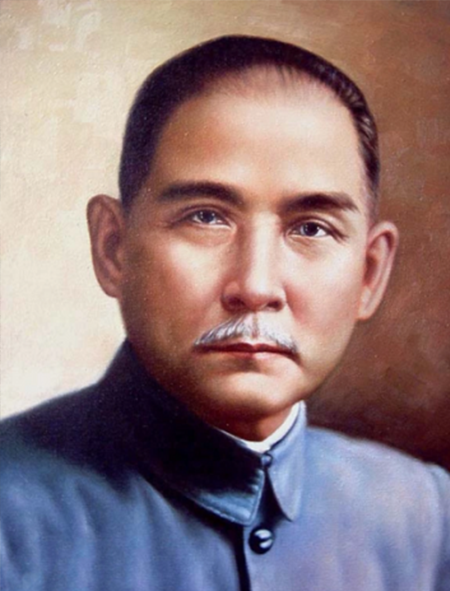
7. Influential People
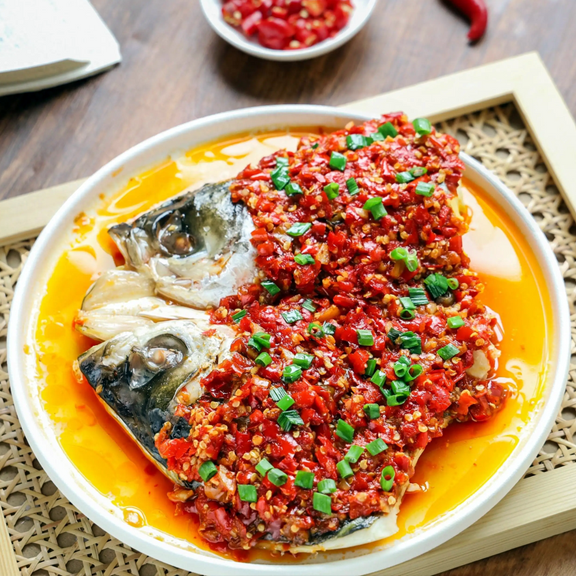
8. Traditional Dishes
9. Art
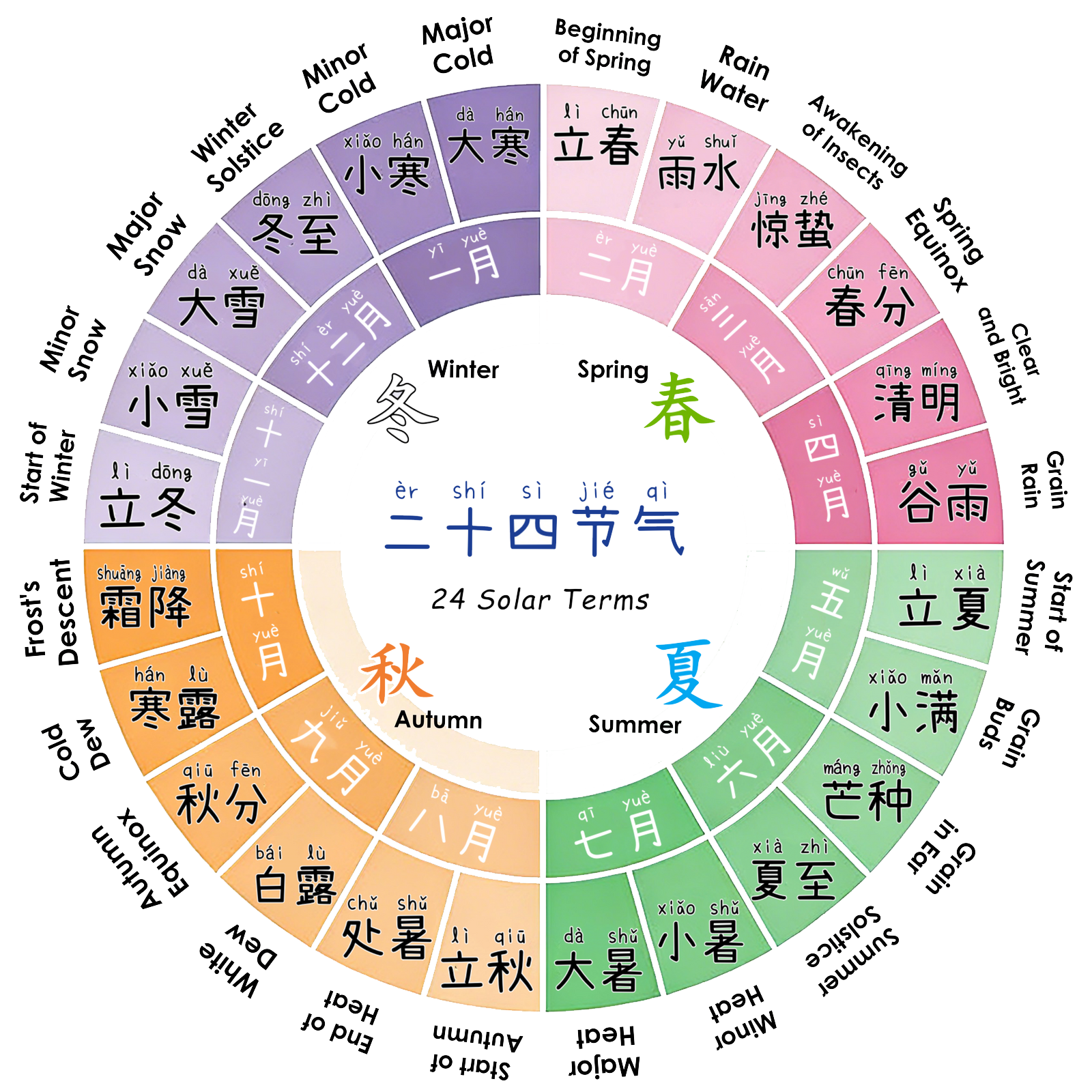
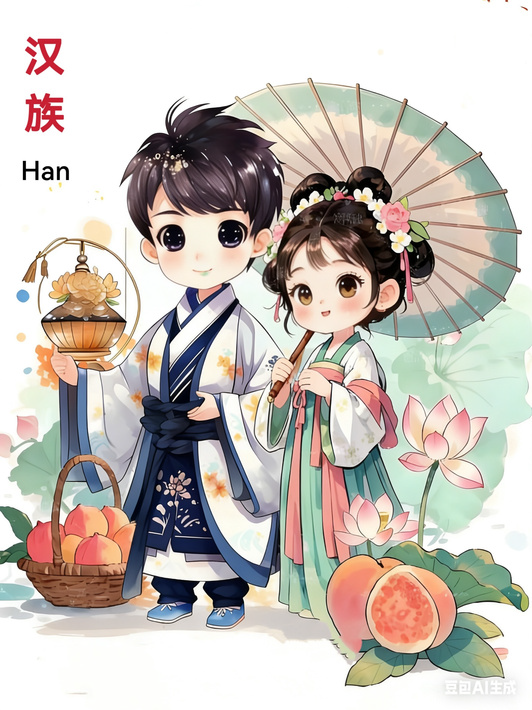
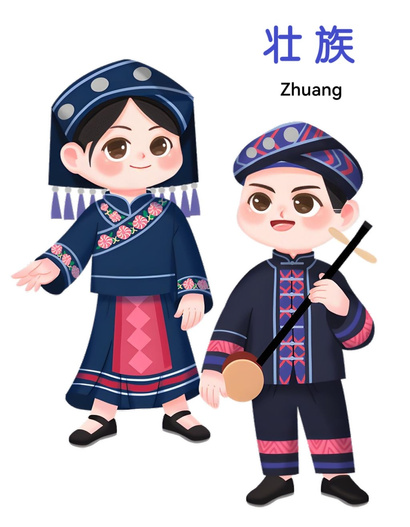
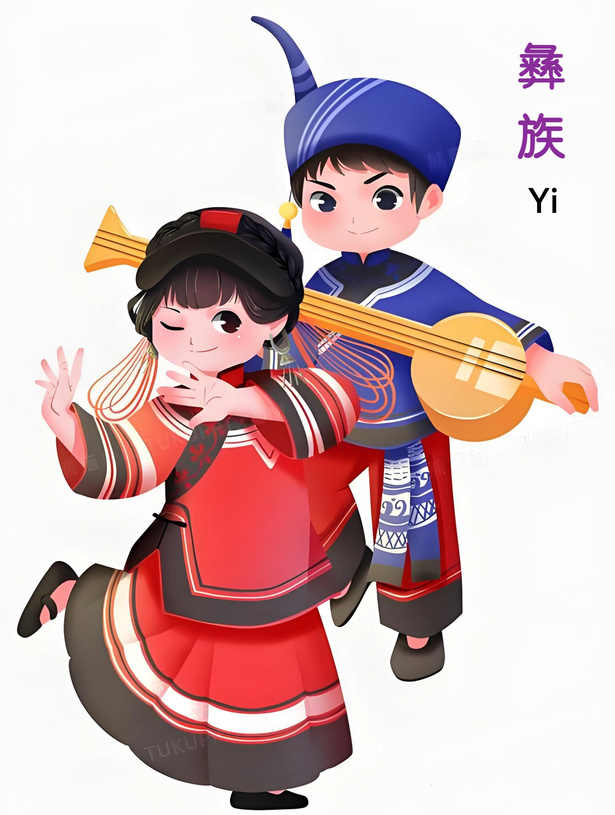




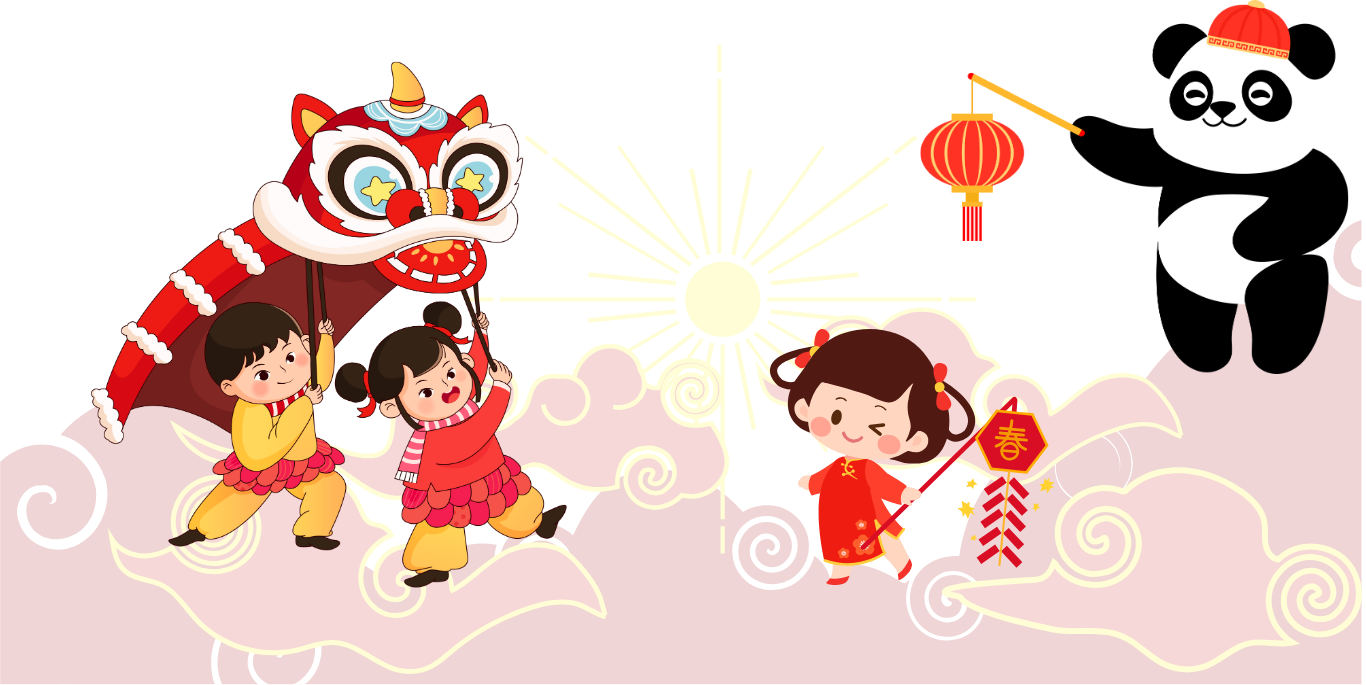
Spring Festival, also known as Chinese New Year, is the most important holiday for Chinese people. It’s part of UNESCO’s Intangible Cultural Heritage. The Spring Festival marks the start of the lunar new year. It’s a happy time for families to get together and welcome the new year. During the festival, we wear new clothes, visit relatives and friends. Adults give red envelopes with lucky money to children. There are many fun activities, such as dragon dances, lion dances and lantern shows.
Fun Activities: Calligraphy (writing Spring Festival couplets), dragon and lion dances, pasting window grilles, visiting lantern shows/markets, ring toss, making dumplings, making rice cakes, paying New Year calls, New Year story sessions, welcoming the Start of Spring, etc.
Qingming festival is in spring. It comes when everything in nature turns clean and bright. While missing and being grateful to our ancestors, we can also go into nature and embrace the full vitality!
Fun Activities: Spring outing, picnic, hiking in spring, appreciating flowers, flower arrangement, spinning windmills, making green rice cakes, eating cold food, observing nature in solar terms, kite DIY with the theme of “Remembering ancestors and being grateful for their blessings” etc.
Duanwu Festival, also known as Dragon Boat Festival, is a festival for us to show Chinese people’s love for Qu Yuan, a famous poet in ancient China, and our traditional culture. We hang fragrant herbs and wear sachets to drive away evil spirits and plague, and pray for health and safety. We put on five-colored strings, hoping they can bring good luck. Everyone also eats all kinds of zongzi (glutinous rice dumplings), watches the exciting dragon boat races, and cheers for their favorite teams!
Fun Activities: Making zongzi (glutinous rice dumplings), hanging fragrant herbs, weaving five-colored strings, dragon boat races, wearing sachets, painting foreheads (with realgar wine or safe paint), taking orchid soup baths, singing poems, etc.
Qixi Festival, also known as “Qiqiao Festival”, is also China’s Valentine’s Day. It comes from an ancient love story “Cowherd and Weaver Girl”. Every year on this day, Cowherd and Weaver Girl meet on the Magpie Bridge. People celebrate them with stars, flowers, magpies and beautiful wishes. Girls also make wishes in various interesting ways, hoping their hands can be as dexterous as the fairy Weaver Girl. We can also taste delicious and beautiful Qiaoguo pastries, dress up nicely and celebrate this romantic festival together!
Fun Activities: Wearing sachets, eating Qiaoguo (skill fruits), making round fans, threading colored threads, making Qixi paper flowers, holding flower umbrellas, touhu (pot-throwing game), throwing colored balls, singing duets, etc.
The Mid-Autumn Festival is a particularly important traditional festival. On this day, the moon is round and bright. We eat mooncakes that are as round as the moon, drink tea, admire the moon, carry lanterns, and miss relatives and friends far away. The whole family gets together to spend this beautiful and happy night.
Fun Activities: Making mooncakes, carrying lanterns, admiring the moon, guessing lantern riddles, poetry singing, tasting sweet-scented osmanthus tea, etc.
Chongyang Festival is held on the 9th day of the 9th lunar month every year, hence the name “Chongyang”. In traditional Chinese culture, the number “9” represents yang (positivity and vitality), and “double ninth” (Jiujiu) has the same pronunciation as “longevity” (Jiujiu) in Chinese, which is endowed with the beautiful meaning of longevity and health. Nowadays, Chongyang Festival is also called Senior Citizens’ Day, and we will hold many activities such as respecting the elderly, praying for blessings and enjoying autumn scenery.
Fun Activities: Autumn outing, short mountain climbing, serving tea to the elderly, eating Chongyang cakes, inserting dogwood, tasting chrysanthemum tea, enjoying music, abacus practice, etc.
Fun Activities: Spring outing, picnic, hiking in spring, appreciating flowers, flower arrangement, spinning windmills, making green rice cakes, eating cold food, observing nature in solar terms, kite DIY with the theme of “Remembering ancestors and being grateful for their blessings” etc.
Fun Activities: Making zongzi (glutinous rice dumplings), hanging fragrant herbs, weaving five-colored strings, dragon boat races, wearing sachets, painting foreheads (with realgar wine or safe paint), taking orchid soup baths, singing poems, etc.
Fun Activities: Wearing sachets, eating Qiaoguo (skill fruits), making round fans, threading colored threads, making Qixi paper flowers, holding flower umbrellas, touhu (pot-throwing game), throwing colored balls, singing duets, etc.
Fun Activities: Making mooncakes, carrying lanterns, admiring the moon, guessing lantern riddles, poetry singing, tasting sweet-scented osmanthus tea, etc.
Fun Activities: Autumn outing, short mountain climbing, serving tea to the elderly, eating Chongyang cakes, inserting dogwood, tasting chrysanthemum tea, enjoying music, abacus practice, etc.
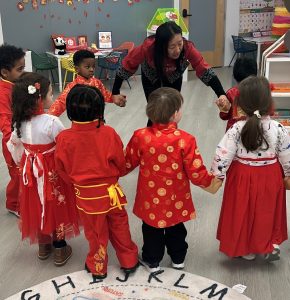
At Wee World, cooperation among the teaching staff means working together with mutual respect, open communication, and a shared commitment to every child’s growth and well-being. Our educators collaborate intentionally—planning together, sharing observations, supporting one another, and aligning their practices—to create a consistent, nurturing, and high-quality learning experience.
Beyond our own classrooms, we actively seek collaboration with educators, specialists, and professionals from other schools and disciplines to continually expand our knowledge, refine our teaching methods, and stay informed about best practices in early childhood education. Through ongoing professional exchange and shared learning, we strive not only to strengthen our program but also to contribute to a growing, informed, and connected educational community.
At Wee World, cooperation with DC preschool education institutions means building meaningful partnerships with fellow early childhood programs, educators, and professionals across the District of Columbia. We actively engage in collaboration, information-sharing, and professional exchange to stay aligned with local educational standards, best practices, and evolving research. Through these partnerships, we strengthen our programs, support continuous improvement, and contribute to a connected early childhood community that prioritizes quality education, shared learning, and the well-being of all children.
At Wee World, cooperation with companies and sponsors means forming thoughtful, values-aligned partnerships that support our educational mission and the well-being of children and families. We collaborate with organizations that share our commitment to learning, cultural enrichment, and community impact, working together to create meaningful opportunities, resources, and programs. Through responsible partnerships, we aim to enhance educational experiences, support family engagement, and contribute positively to the broader community while maintaining the highest standards of integrity, transparency, and child-centered practice.
At Wee World, home–school cooperation is built on open communication, trust, and meaningful partnership with families. We provide real-time updates through the Procare app, keeping parents informed about their child’s day, activities, and well-being as they happen. In addition, families receive daily educational reports and videos of lesson plans, offering insight into classroom experiences, learning progress, and developmental milestones. By maintaining consistent and transparent communication, we ensure that families remain actively connected to their child’s learning journey and that home and school work together to support each child’s growth and success.
At Wee World, community cooperation means actively engaging with families, local organizations, educators, and community partners to create a supportive and connected environment for children. We believe that learning extends beyond the classroom, and we work collaboratively with our community to share knowledge, celebrate cultural diversity, and promote collective growth. Through partnerships, events, and shared initiatives, we strengthen relationships, support families, and contribute to a thriving community that values education, inclusion, and lifelong learning.
At Wee World, media cooperation means working thoughtfully with media outlets, digital platforms, and content creators to share our educational philosophy, programs, and community initiatives with a wider audience. We value responsible, transparent communication and use media partnerships to highlight learning, cultural engagement, and positive stories about early childhood education. Through ethical and intentional media collaboration, we aim to inform, inspire, and strengthen connections between families, educators, and the broader community while always prioritizing children’s privacy, dignity, and well-being.
February 17 ,2026 (The first day of Chinese New Year)-Cathay International Chinese New Year Night Parade
February 11 – 17 early morning, Explore Vibrant Chinese New Year Flower Markets
February 18, 2026 Chinese New Year Fireworks Display
https://www.discoverhongkong.
February 16, 2026
Main Gala: The CMG Spring Festival Gala (Chunwan) is the premier, state-run event, often featuring high-tech performances.
Key events include city-wide light shows and rehearsals reported by CGTN Facebook and CCTV.
Saturday, February 07: 11:00am – 11:30am
AGE GROUP: PRESCHOOL, MIDDLE SCHOOL, HIGH SCHOOL, EMERGING ADULT, ELEMENTARY SCHOOL, ADULT
EVENT TYPE: PERFORMANCE AND DANCE
Celebrate Lunar New Year and the Year of the Horse with a Lion Dance performance by the Chinese Youth Club of DC!
9. Celebrate Lunar New Year @Wheaton Library with Li-Ming Chinese Academy! – Social Hall, 2nd Floor
Saturday, February 28: 4:00pm – 5:30pm
AGE GROUP: TODDLER, PRESCHOOL, OLDER ADULT, MIDDLE SCHOOL, HIGH SCHOOL, EMERGING ADULT, ELEMENTARY SCHOOL, BABY, ADULT
EVENT TYPE: PERFORMANCE AND DANCE
Join the Li-Ming Chinese Academy for an afternoon of music and culture! Get ready for an exciting celebration of the 2026 Lunar New Year – The Year of the Horse!
Tuesday, February 3, 2026, 1 – 2 PM EST
Saturday, February 28, 2026, 11 AM – 12:30 PM EST
Event Location: ImaginAsia Studio
Celebrate Lunar New Year by exploring ancient Chinese bronzes in the form of animals! In this workshop for children ages 3–8 and their caregivers, families will discover how art conservators care for bronze objects with delicate metal and stone inlays. Then, kids will craft animal artworks by arranging and attaching shapes, inspired by the techniques used in ancient China.
We are proud to officially launch our Chinese Classroom at Wee World 🌏✨
Starting February 23rd, children will begin their journey of learning Chinese language and culture through play, exploration, and meaningful experiences — nurturing curiosity, confidence, and global awareness.
Posted onTrustindex verifies that the original source of the review is Google. My daughter loves her preschool! She’s always happy to go, and she is treated with so much love and kindness. Her teacher is amazing — very patient, caring, and professional. I feel so thankful to see my little one learning and growing in such a loving place.Posted onTrustindex verifies that the original source of the review is Google. My son has attended Wee World for a few months now and I only have great things to say !!! The staff is amazing! They are very highly recommend.Posted onTrustindex verifies that the original source of the review is Google. This preschool has been a wonderful experience for our family. The space is beautifully designed, clean, and welcoming, which makes such a difference for the children. The management is not only professional but also genuinely kind and attentive, always quick to respond and supportive. I also love the variety of daily activities that keep my daughter engaged, happy, and learning in creative ways. We feel truly lucky to have found such a special place.”Posted onTrustindex verifies that the original source of the review is Google. Wee world is a great daycare since starting i have seen a significant growth in my son social skills, learning etc. Thanks to Ms.Veronica and the team this has been a great experiencePosted onTrustindex verifies that the original source of the review is Google. Wee World is an amazing daycare! The teachers are absolutely lovely—caring, attentive, and truly invested in the kids. Most importantly, our child loves it there, and we’ve seen wonderful development since joining. The daycare is new, beautiful, and thoughtfully designed, which makes it such a welcoming environment. We couldn’t be happier and would recommend Wee World to anyone looking for a daycare.Posted onTrustindex verifies that the original source of the review is Google. What a lovely place. The space is clean, modern, beautiful and engaging for a wide age range. I’ve been sending my kids (5 and 8) to Parents Night Out since the program started and they love it. Healthy food and warm care. Highly recommend!Posted onTrustindex verifies that the original source of the review is Google. Our 4year old daughter has been to the Wee World Parent Night Out program, happening every Saturday from 5 PM to 10 PM, a couple of times and always has a great time! She’s enjoyed a magic show, face painting, and storytelling, all in a safe and welcoming environment with positive, caring staff and a beautiful interior. We love knowing she’s having fun while we get some quality time to ourselves.Posted onTrustindex verifies that the original source of the review is Google. We had a wonderful experience with Wee World during their Parent Night Out. The space is spacious, clean, and so thoughtfully designed for children—bright, calming, and inviting. The staff were incredibly kind and attentive, making our daughter feel right at home from the moment we walked in. She had a blast with crafts, playtime, and dinner—and didn’t want to leave! Highly recommend to any family looking for a safe, warm, and fun environment for their child. ❤️Posted onTrustindex verifies that the original source of the review is Google. The Wee World family was like a second home for our family. They began caring for our daughter when she was just 5 months old, and from day one, we felt the warmth, love, and genuine care that radiates from this incredible family-run program. Although our older son didn't attend, he was always welcomed with open arms at every event—and often asked when he could go back! This new Wee World space is one of the most thoughtfully designed childcares I have seen (and I toured many daycares) – with fun and engaging places to explore. I can’t say enough good things about the love and support we've experienced from these caregivers—I recommend to every mom in the area!Posted onTrustindex verifies that the original source of the review is Google. The Weeworld family cared for both of our babies from 3 months to 3 + years and became like family to us. Not only did they care for the babies and provide the most loving environment but they also helped us with all the milestones- from sleep schedules, feeding schedules, starting solids- all of the things! We also had the unique experience of going through early COVID together. While this was an unwelcome challenge, the team bent over backwards to be able to continue providing care so we could work and also prioritized keeping everyone healthy. I’m eternally grateful and could not recommend them enough!